What is oral cancer screening?
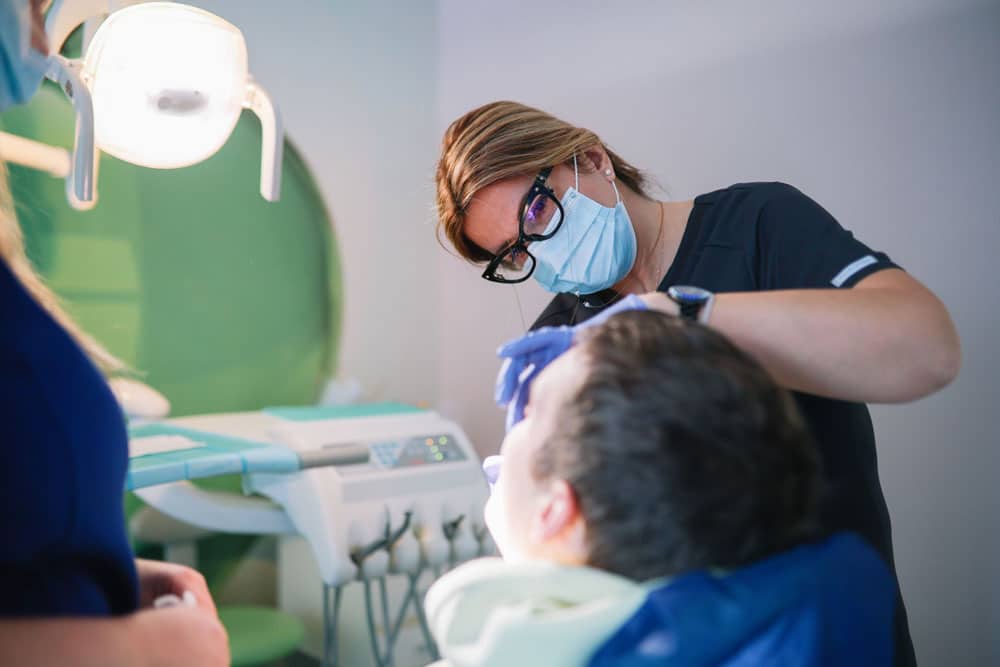
Oral cancer screening is a routine examination that our dentists do when they do a regular exam. They look for things like abnormal tissues and lesions.
Who at Charisma Dental performs the screening?
Our dentists are trained and qualified to do oral cancer screenings as part of a regular exam.
How often should I get screened for oral cancer?
Charisma Dental includes oral cancer screening during twice-yearly routine checkups.
What does screening involve?
The dentist visually examines the mouth, oral tissues, and surrounding structures for abnormalities. They may check for lumps by pressing areas.
Is oral cancer screening painful or uncomfortable?
It isn’t at all. It is a visual exam with the dentist pressing around your jaw and neck to check for lumps.
Why is oral cancer screening important?
Early detection is crucial to the survival rate of oral cancer. It can make treatment more successful.
Are there risk factors that make screening more urgent?
Certain people are at a higher risk for oral cancer. That includes smokers and those who use smokeless tobacco, heavy alcohol drinkers, and those who have a history of oral cancer.
What happens if something suspicious is found?
The dentist will recommend further testing if they find something. That could mean a referral to a specialist, a biopsy, or closer monitoring.
 CALL NOW: 905-552-1153
 Skip to content