 Skip to content
 CALL NOW:
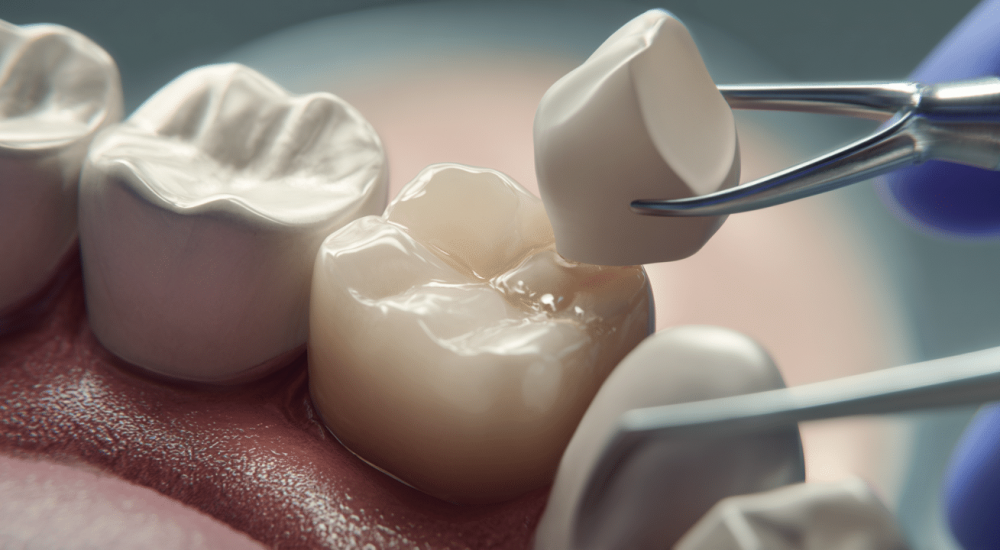
A dental crown is the artificial top that is placed over a tooth to protect it from damage or infection. A crown generally lasts 10 years, but can last as long as 20 years with proper care.
Dental crowns are needed in two situations. The first is when the tooth has sustained damage and needs to be covered and sealed to be structurally sound. A crown allows the tooth to continue to function in chewing.
The second reason to get a dental crown is after a root canal. A crown covers the tooth to seal it and prevent re-infection.
Types of Dental Crowns
Crowns come in many materials, with each amounting to a different cost. Each has advantages and disadvantages, so all are worthy of consideration. Below are some of the choices.
Metal Crowns
Most people think of gold when they consider a metal crown, but crowns can also be made of nickel, palladium, and chromium. Metal crowns are the most durable and the most expensive of the choices.
One disadvantage is that they are also the most visible. Even so, there are times when a metal crown works best. They serve well on the back molars where most chewing occurs. Back teeth aren’t highly visible, and metal crowns have a longer lifespan than other types, with most lasting 20 years, sometimes more.
Dentists often recommend stainless steel crowns for temporary teeth for children because they can be installed in one visit and are durable.
Porcelain/Ceramic Crowns
Crowns made from porcelain, ceramic, or a mix of the two are the most popular. They can be expensive but look like natural teeth. They contain no metal, so those with allergies can use them. They are best used for front teeth or highly visible teeth. These crowns aren’t as durable as metal versions, so they aren’t suitable for back teeth.
Porcelain-Metal Fused Crowns (PFM)
PFM crowns have a metal base and a porcelain overlay. This resolves the durability issue with porcelain/ceramic crowns, and the metal adds strength to the porcelain, giving the crown a natural look. They can be used for any tooth and are more affordable than pure porcelain crowns. However, they could develop a dark line where the porcelain meets the metal at the bottom of the crown near the gum line over time.
Zirconia and Hybrid Crowns
Zirconia has moved up into the dental crown industry because of its durability and looks. Zirconium dioxide is a metal-grade ceramic, offering strength that traditional ceramic crowns don’t have. They can be used in any part of the mouth and can be custom-crafted in dental office labs, making for fast turnaround times. Zirconia crowns can be layered with porcelain in a hybrid version for a completely natural look. However, the porcelain of the hybrid can chip.
Picking Your Dental Crown
Patients have the final say in the type of crown they want, as each has a different look and cost. Your dentist may offer a recommendation based on location and function. All dental crowns are customized to fit your tooth.
Things to Know About Getting a Dental Crown
Those getting a dental crown should know about the process so they are prepared. Many times, getting a dental crown takes two appointments. The first appointment is used to take a tooth impression. The impression is sent to a lab to make the crown.
The dentist will slightly reshape the tooth so the crown will fit in the space. They will “roughen” it so the crown can be bonded to the tooth. The dentist will place a temporary tooth over your natural tooth to protect it until you get your crown.
The crown arrives in about two weeks, and your dentist installs it on the tooth.
Some dental offices have on-site labs that create custom crowns. Patients can have the custom crown installed in one visit or the same day.
Caring for Your Crown
Those with crowns still must continue with oral hygiene to keep them functional and increase their lifespan. You must brush the area twice daily when you brush your teeth, floss around the tooth as you do other teeth, and use a good mouth rinse daily.
Replace your toothbrush every three to four months and use a gentle toothbrush to avoid aggressive brushing. See your dentist regularly.
Additionally, you will need to alter some lifestyle choices to ensure your crown lasts. Avoid staining foods like red wine if you have porcelain or ceramic crowns because they will stain. Don’t eat hard or sticky foods because they can damage or pull the crown off the tooth. Avoid chewing on things like pens and ice because that can damage a crown.
Your Tooth Can Still Have Issues
A dental crown doesn’t solve all your tooth problems. It offers protection for damaged or sensitive teeth, but the tooth underneath can still get cavities or decay. See your dentist if you feel ongoing pain from the crowned tooth or notice gum inflammation.
Questions About Dental Crowns?
We are happy to answer any questions you have about crowns! Call to schedule an appointment today!